
I have shot a lot of concerts over the past 10 years. This week I pitched CREEM — the magazine that more or less invented rock journalism — on covering AC/DC at Ohio Stadium next month. The executive editor read it and passed. Start to finish, maybe seven minutes.
I'm going to show you that pitch anyway. Not in spite of the no — because of it.
A pitch that wins teaches you exactly one thing: that one worked. A pitch that loses, when it's actually a good pitch, teaches you everything else — what you controlled, what you didn't, and the difference between a no that means "you're wrong" and a no that means "not this, not now." That last distinction is the whole game, and most people never learn it because they only ever talk about their wins.
So here's a loss. Let's take it apart.
The Setup
AC/DC, Power Up Tour, playing Ohio Stadium — the Horseshoe, a 100,000-seat football cathedral ten minutes from my studio. Rock shows almost never happen in that building. I've got a decade of concert photography, a working relationship with the venue's credentialing contact, and a local's cost advantage over every out-of-town shooter chasing the same gig. On paper, I'm the obvious call.
I wrote the pitch. I sent it at 11:13 at night. By 11:20 I had my answer.
Why the Pitch Was Good (Steal This Part)
Before I get to why it lost, look at what it did right — because the no doesn't erase any of it. These are the moves that work whether you're pitching a magazine, a wedding client, a brand, or your boss.
1. Lead with proof, not promises. The second line of my pitch sent the editor straight to my portfolio, with this: pitches are cheap and photos aren't. I didn't ask him to trust my description of my work — I handed him the work and told him to judge it before reading another word. Anyone can write a confident paragraph. Far fewer can back it up. Put the evidence first and let it do the arguing.
2. Make it about the story, not about you. Half the pitch was about the venue — a building consecrated to college football surrendering its 50-yard line to a 71-year-old in a schoolboy uniform, a hundred thousand Ohioans screaming back on "Hells Bells." I sold the editor on why this moment matters, not on why I'm great. People don't buy your services. They buy the thing your services produce. Lead with that.
3. Answer "why you?" before they ask it. I knew exactly what objection was coming — why you and not the four hundred other photographers chasing this show? — so I answered it on the page, in three lines: I cost a word rate, not a travel budget. I have receipts. I handle the credentials myself, so saying yes creates zero work for you. Find the reason someone would say no, and disarm it before they get to think it.
4. Make yes effortless, and make the clock real. I laid out concrete deliverables — edited gallery in 48 hours, 1,200 words, frames held exclusively for print — and a genuine deadline tied to the credentialing window, not a fake-urgency gimmick. A good pitch removes every reason to wait. The easier you make the yes, the more often you get one.
That's a strong pitch. I'd send it again tomorrow. And it still lost.
Why It Lost Anyway
Here's the part nobody tells you: you can do all of that and still get turned down, for reasons that have nothing to do with how good your pitch is.
The editor's objection, paraphrased: a single stop on a national tour isn't rare enough to be worth covering. A genuine one-off would be. But one date on a U.S. run — even a great one — doesn't clear the bar. And here's the piece I missed: CREEM is a quarterly. A magazine that publishes four times a year needs stories with a shelf life, pieces that read just as well three months later. A concert recap, no matter how good the photos, is a Thursday-morning story in a Tuesday-afternoon magazine.
I'd actually anticipated that. I argued in the pitch that my angle would age well. He didn't buy it, and on reflection he was right — I was selling an event, and an event has an expiration date no matter how I frame it.
That's not a pitch problem. That's a fit problem. I aimed a good arrow at the wrong target. The lesson is brutal and simple: research what the outlet actually needs before you spend your best material on it. Know their publishing cadence, their format, what they've run lately, what they'd never run. The most common reason a strong pitch fails isn't quality — it's that it was the right idea sent to the wrong place.
The Win Hiding in the Loss
His reply didn't end at "no." It ended with: he appreciated the enthusiasm, and he was open to ideas.
Read that again, because it's the entire point of this post. A bad pitch gets ignored, or it gets a flat no and a closed door. A good pitch that simply doesn't fit gets you something far more valuable: a relationship, and an open invitation to come back with something that does fit. I didn't get the assignment. I got something with a longer shelf life than any single show — an editor at a magazine I respect who now knows my name, has seen my work, and told me to pitch him again.
That's a win wearing a no's clothing. And I only got it because the pitch was good enough to earn the door, even when the idea wasn't right enough to walk through it.
The Takeaways
If you remember five things about pitching anything to anyone, make it these:
Show the work before you describe it. Proof beats adjectives every time.
Sell the story, not yourself. Make them want the outcome; your role comes second.
Kill the obvious objection on the page, before it forms in their head.
Research the fit before you spend your best idea. A great pitch aimed wrong still misses — and you don't get that idea back.
A good no is an open door. Pitch well enough that even your losses leave you with a relationship.
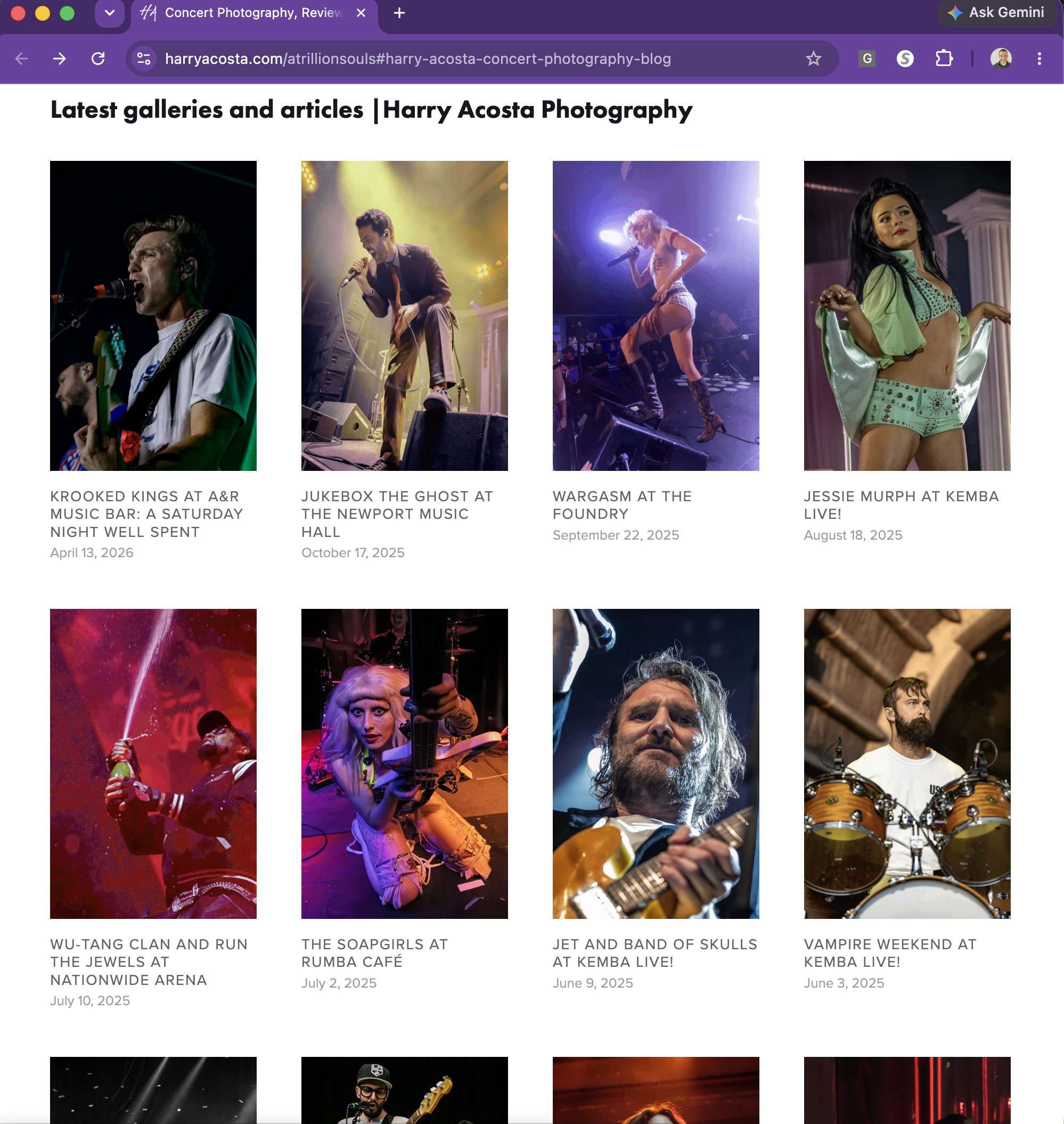
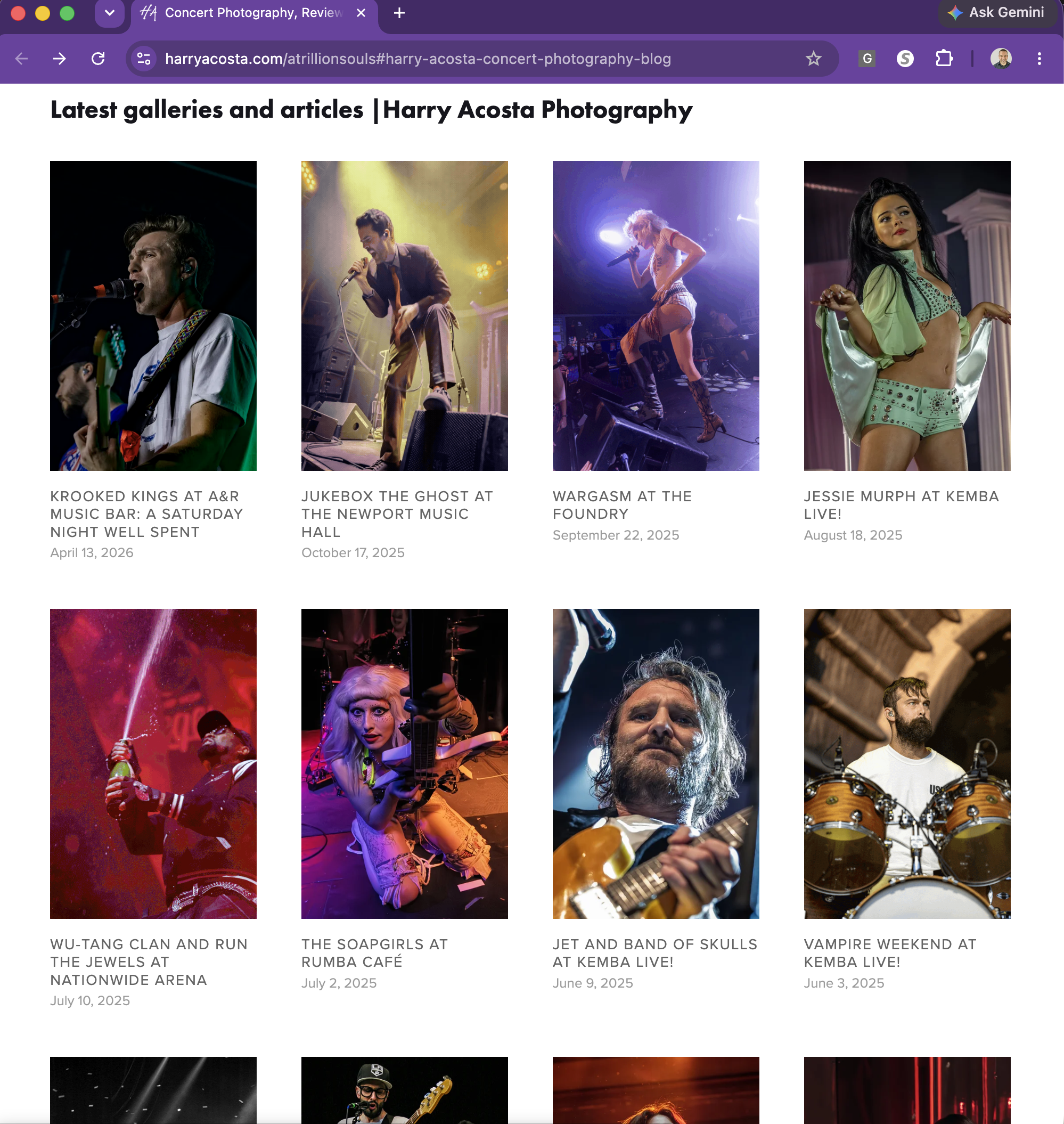
Link spot: Drop a link to your concert portfolio (harryacosta.com/atrillionsouls) somewhere in "The Setup" section, right where you mention a decade of concert work — so a reader can see the photos the same way the editor was told to.
The Bottom Line
I lost this one. I'm telling you about it on purpose, because the people who only show you their wins are hiding the part where you'd actually learn something.
Pitch like the answer is no. Build it so good that the no still opens a door. Then walk back through it with the right idea next time.
That's how you pitch — win or lose.