
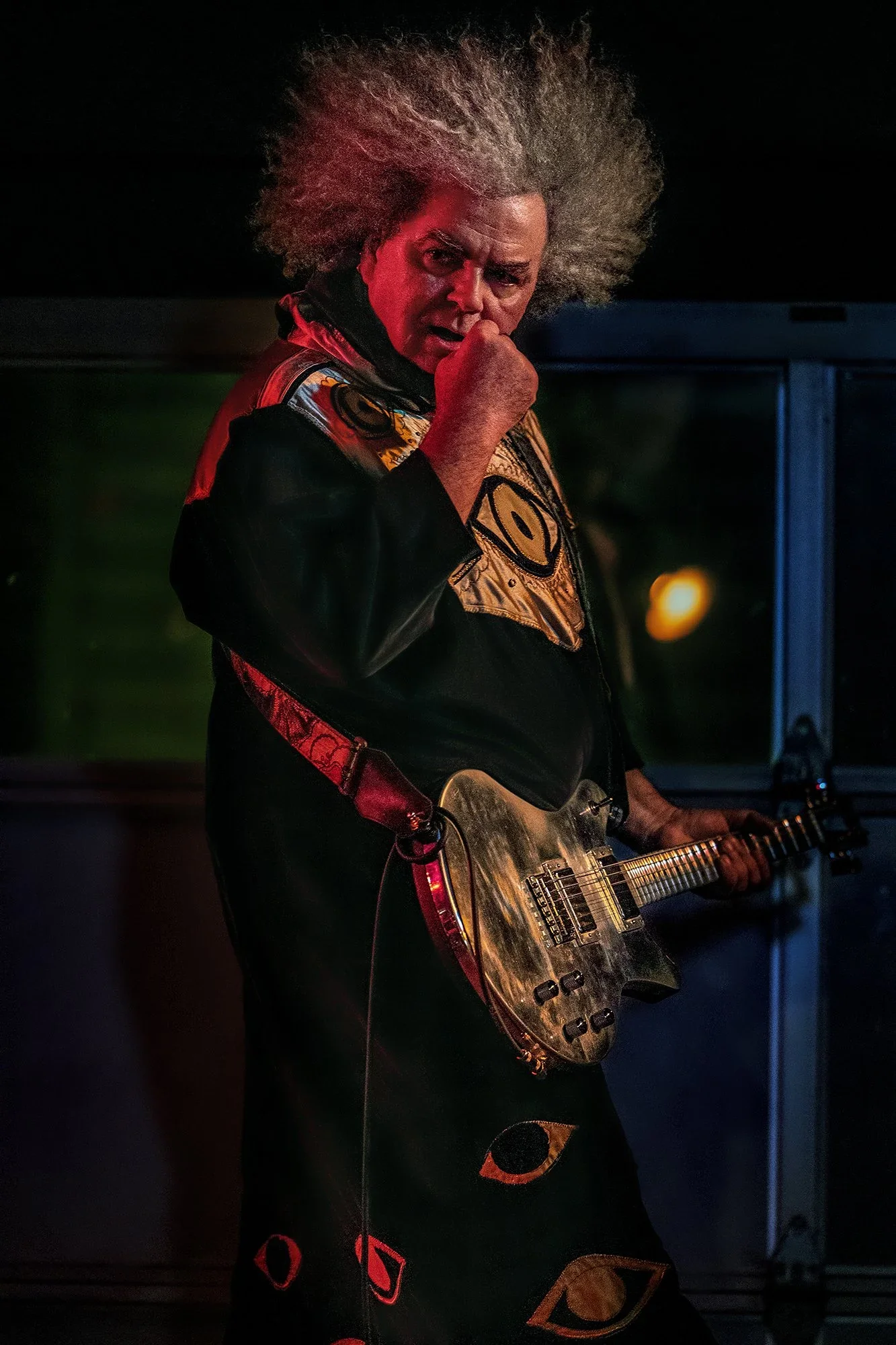

"Honey Bucket" (1993) and "Revolve" (1994) are currently the Melvins' most-streamed songs on Spotify. Heard cold, both could pass for Metallica deep cuts from the ...And Justice for All era — heavy, angular, uncompromising. That comparison, however, only tells you so much about a band that has spent four decades actively resisting classification.
The Melvins were never interested in building a brand. They were interested in making noise that moved them — sometimes in punishing riffs, sometimes in something closer to a slow, mood-altered drift. The result is a catalog that rewards curiosity but tests loyalty. With multiple bassist changes and deliberate genre pivots across 25 studio albums, it takes genuine commitment to claim enthusiasm for the whole thing. Most fans have a corner of the catalog they love and a few corners they've quietly written off.
That unpredictability is the point. Each new record functions less as a follow-up and more as a dare. Their 2000 release Crybaby brings in Hank Williams III to front country covers — Hank Williams' "Ramblin' Man" and Merle Haggard's "Okie from Muskogee" — sitting them alongside the rest without apology. Five Legged Dog (2021) is entirely acoustic. Stag (1996) introduces a trombone on "Bar-X the Rocking M" as naturally as if it were always there.
Their footprint on heavy music is harder to overstate. The Melvins shaped the DNA of punk and sludge metal for a generation of bands, many of whom they later shared stages with. Buzz Osborne introduced Kurt Cobain to Dave Grohl. Lori Black — daughter of Shirley Temple — served a stint as their bassist. Gene Simmons joined them onstage in 1993 to play a KISS set. These aren't footnotes; they're evidence of a band that has occupied a strange and singular position in rock for nearly four decades, influential without ever being mainstream.
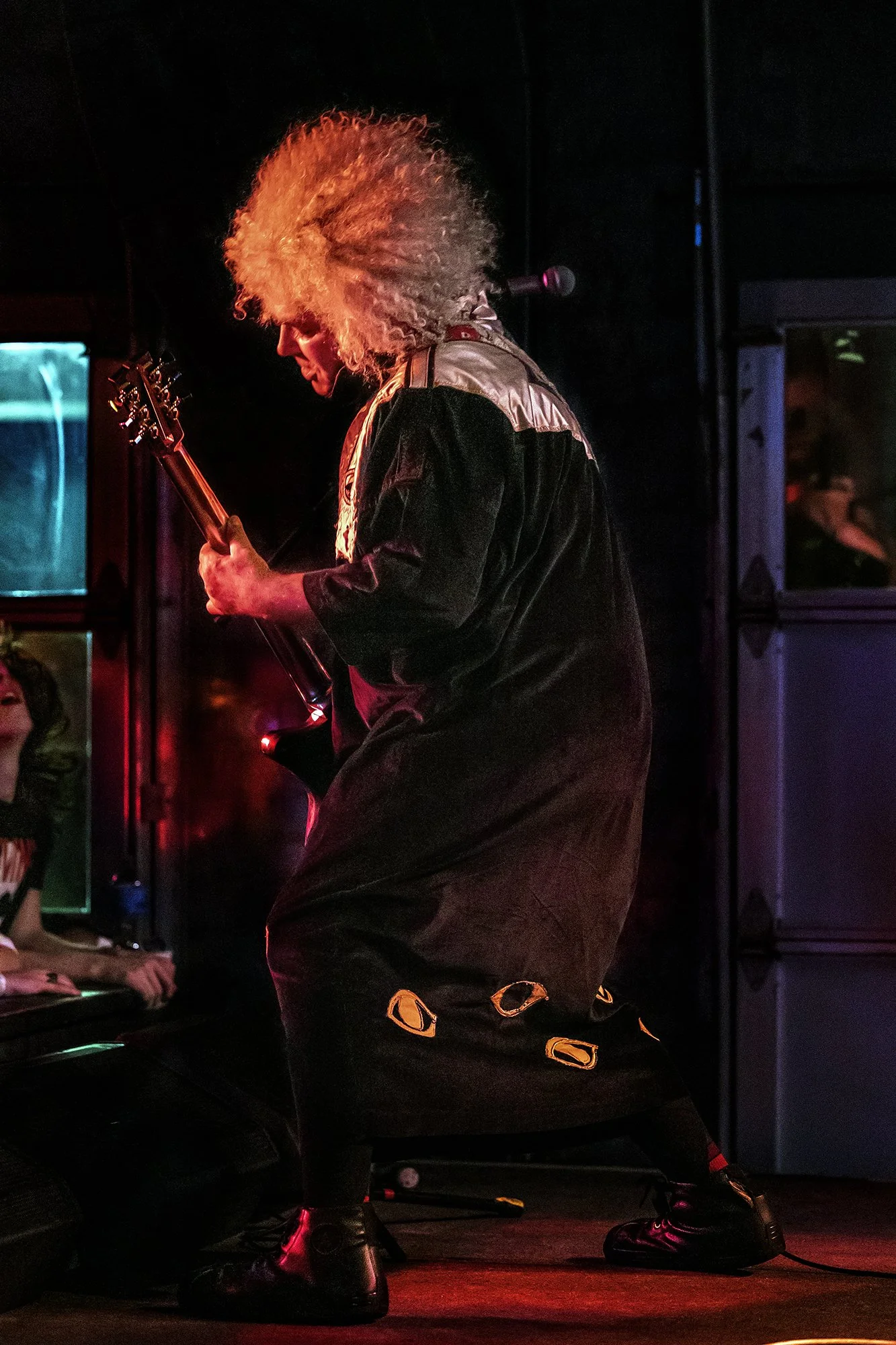
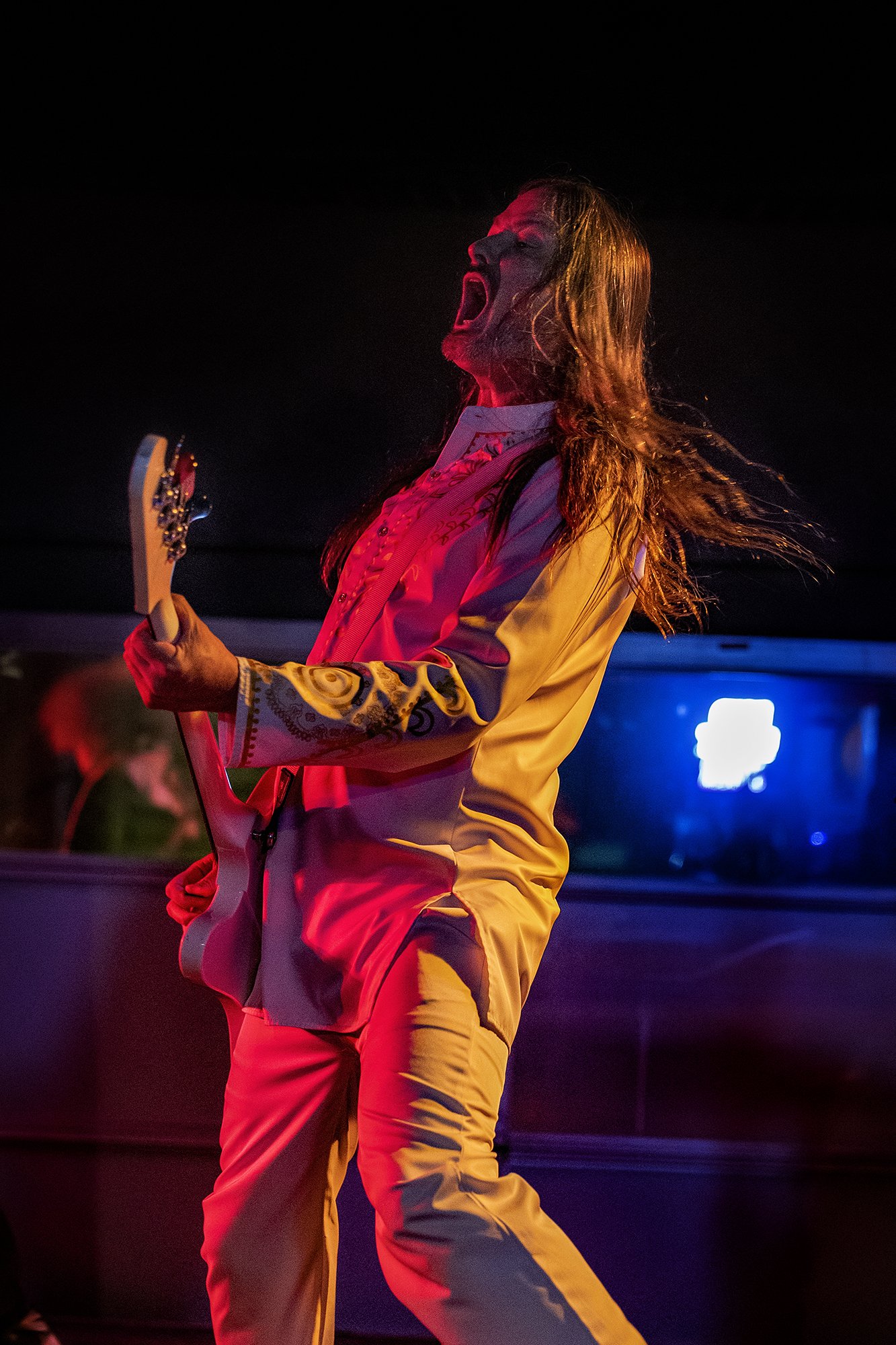
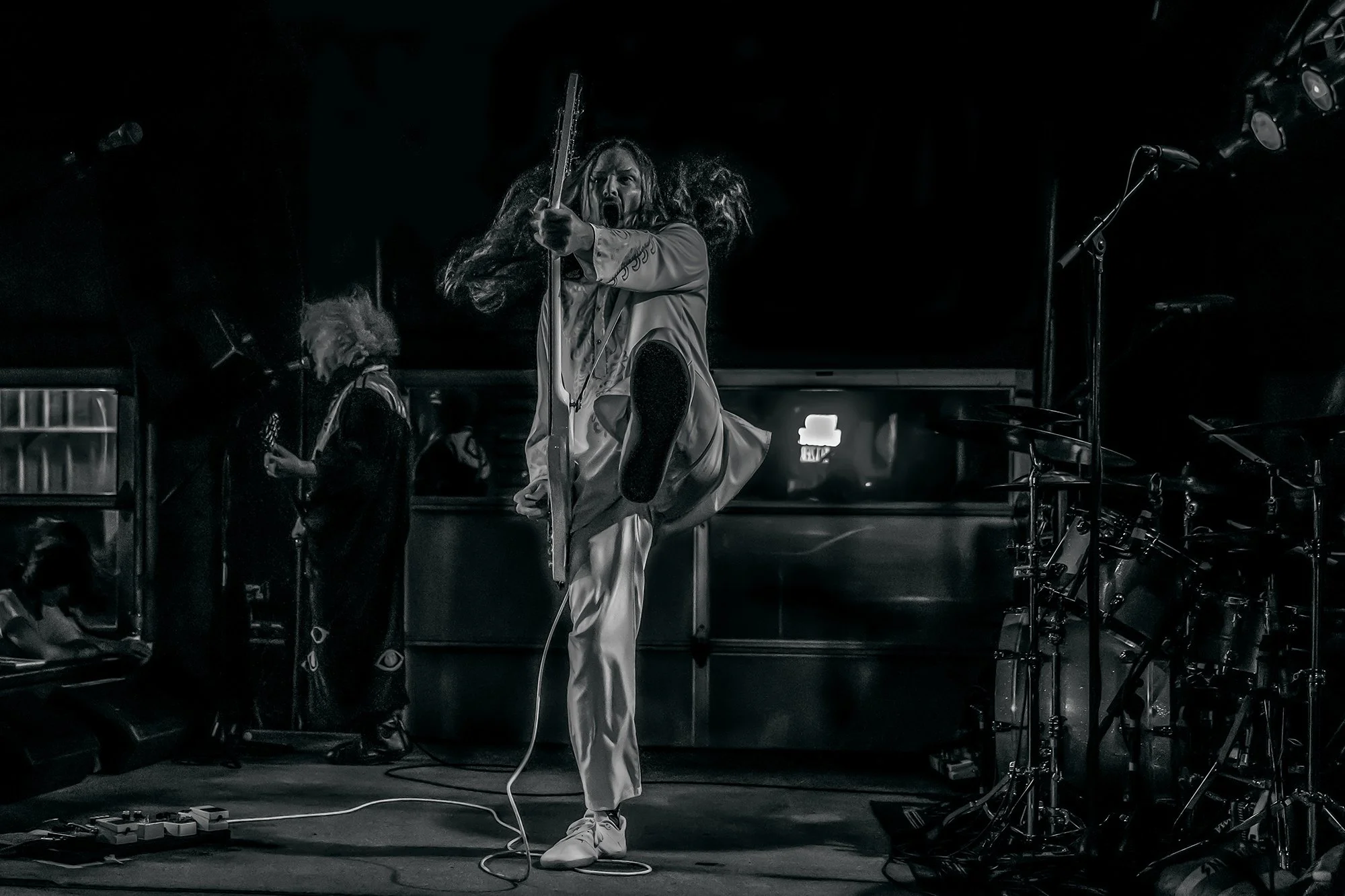
That position was on full display at the A&R Music Bar. In an era where rock nostalgia often sells harder than rock itself, the Melvins drew a packed house in Columbus on the strength of the music alone. There was no theatrical costuming, no forced audience participation, no encore. People didn't shout along to Osborne's lyrics. Instead, the crowd responded the way a congregation responds to a sermon they believe in — cheers and exclamations between songs, attentive silence during them, approval given rather than demanded.
Osborne has his own political views, but the Melvins keep those off the stage. What they want heavy is the music. If you can't parse the lyrics, they're fine with that — the experience is enough. For a band with their catalog and their influence, there's something genuinely unusual about that kind of humility.







MELVINS
melvins.com | Facebook | X
A&R MUSIC BAR
promowestlive.com | Facebook | X